You Don’t Need 20% Down to Buy a House. So Why Does Everyone Think You Do?
You Don’t Need 20% Down to Buy a House. So Why Does Everyone Think You Do?
The down payment myth that could keep you from buying your first home.
Somewhere right now, there’s a first-time homebuyer sitting in an apartment, paying $2,400 per month in rent, convinced they can’t afford to buy a house.
Why?
Because someone told them they need 20% down. Maybe it was their parents'. Maybe it was a coworker. Maybe it was their uncle who bought a house in 1987 for $62,000 and still thinks a gallon of milk costs $1.49.
Whatever the source, that one piece of advice may be keeping qualified buyers out of the housing market.
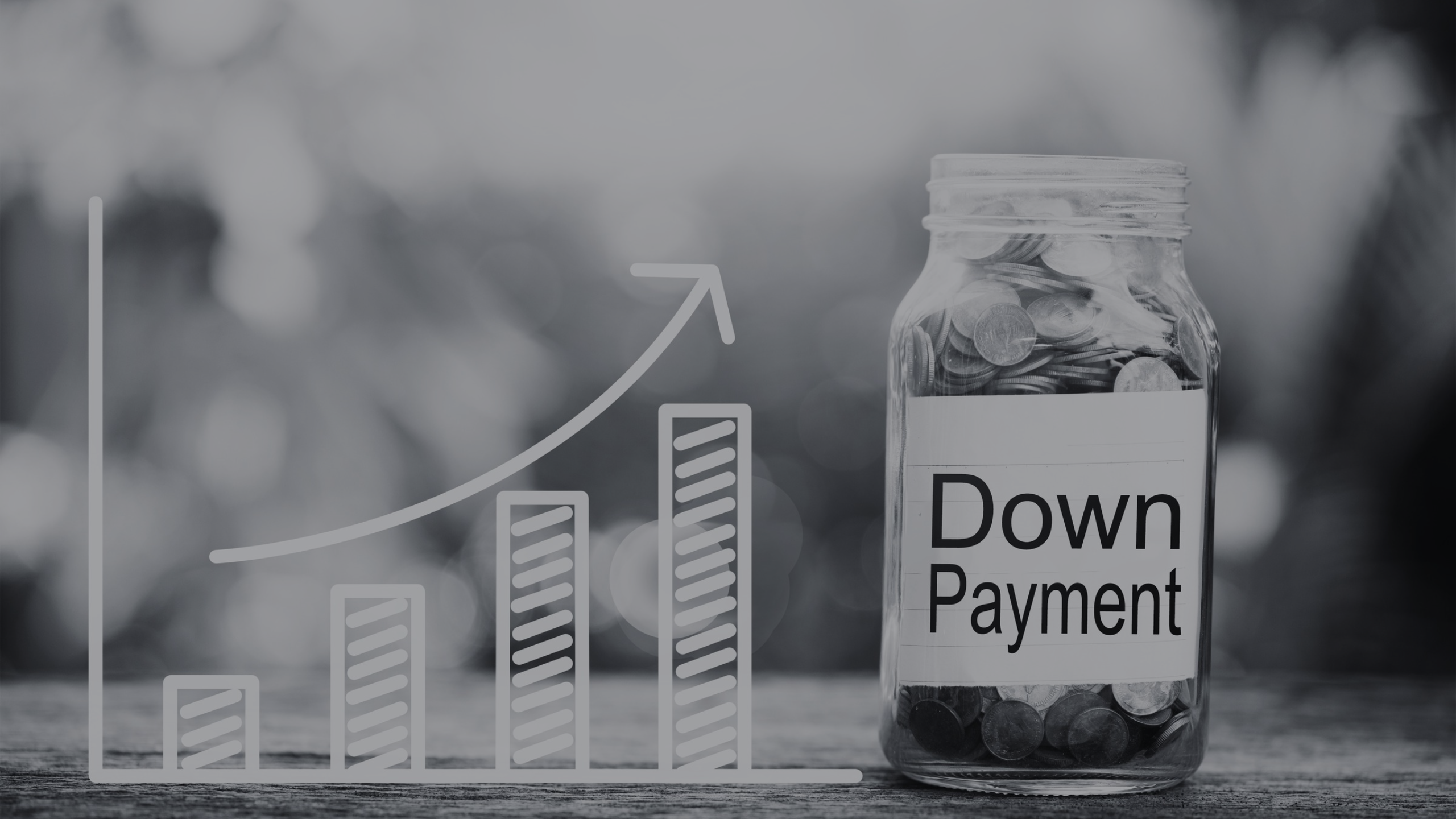
You don’t necessarily need 20% down to purchase a home.
Depending on your qualifications and the mortgage program, you could purchase a home with as little as 3% down. Some eligible buyers may even qualify for zero down payment financing.
So why are so many people waiting years to save money they might not actually need?
Let’s talk about it.
How Much Money Do You Really Need to Buy a House?
Let’s say you’re looking at a $400,000 home.
If you believe you need 20% down, you’reprobably thinking you need to save $80,000 before you can even start shopping.
Eighty thousand dollars!!!
That’s a lot of money to accumulate while paying rent, buying groceries, making car payments, and wondering why a trip to Costco somehow costs $300 when you only went in for paper towels.
But what if you didn’t need $80,000?
With certain conventional mortgage programs, eligible buyers can purchase a home with as little as 3% down.
On a $400,000 home, that’s $12,000.
An FHA loan requires as little as 3.5% down for eligible borrowers. That’s $14,000 on the same property.
Qualified veterans and eligible military borrowers may be able to purchase with zero down through a VA loan.
USDA loans offer zero down payment options for qualifying borrowers purchasing eligible properties.
Now, before you start shopping for that backyard swimming pool, remember that closing costs, prepaid expenses, mortgage insurance, and other financial requirements may still apply.
But there’s a significant difference between needing $80,000 and potentially needing $12,000 for your down payment.
The question isn’t whether you have 20% saved. It’s whether you have enough money to purchase a home comfortably using the financing options available to you.
Wait. There Are Programs That Help With Your Down Payment?
Yes. Depending on the program, assistance may come in the form of grants, forgivable loans, or deferred payment loans.
Some programs are available to first time homebuyers, while others may be available even if you’ve owned a home before.
Does everyone qualify? No.
Income limits, credit requirements, property restrictions, and repayment terms vary. But wouldn’t it make sense to find out whether you qualify before spending another three years’savings?
What If You’re Already Closer Than You Think?
Let’s say you’re currently paying $2,500 per month in rent. You’ve saved $25,000, have stable employment, and reasonably good credit.
You’ve been waiting because you believe you need $80,000 to purchase a $400,000 home.
But what if you qualify for a conventional mortgage with 3% down? That’s $12,000.
Now suppose the seller agrees to contribute toward closing costs, or you qualify for a down payment assistance program.
Suddenly, the conversation changes. Does that automatically mean buying is better than renting?
Absolutely not.
You still need to consider your mortgage payment, property taxes, insurance, maintenance, and emergency savings.
If you’re buying, remember that when your air conditioner breaks in July, you can’t call your landlord and make it someone else’s problem.
Wouldn’t you rather know whether buying is financially realistic instead of automatically assuming itisn’t?
What About Your Credit Score?
Another misconception is that you need perfect credit to qualify for a mortgage.
You don’t.
Different mortgage programs have different credit requirements, and FHA financing may accommodate borrowers who don’t qualify for certain conventional loans.
Your credit score can affect your interest rate, mortgage insurance, and financing options.
But before spending another year trying to improve your credit score, wouldn’t it make sense to understand whether that improvement would actually change your mortgage terms?
Sometimes it makes a significant difference. Sometimes it doesn’t. The important thing is knowing where you stand.
Stop Guessing About Whether You Qualify
One of the biggest mistakes I see homebuyers make is deciding they don’t qualify before they’ve ever spoken with a mortgage professional.
They assume their student loans are too high. They assume their credit score isn’t good enough. They assume they need 20% down. And sometimes they’re taking financial advice from someone who hasn’t applied for a mortgage in 25 years.
At The Messman Lending Team, we help buyers understand their actual purchasing power, available mortgage programs, and down payment options.
Sometimes purchasing now makes sense. Sometimes waiting and improving your financial position is the better decision.
Either way, wouldn’t you rather have actual numbers instead of assumptions?
Craig Messman, President, Molitor Financial Group | NMLS #230692 | Company NMLS #227034